By Jean-François Demers, Sales and Marketing Director at U WAGEN
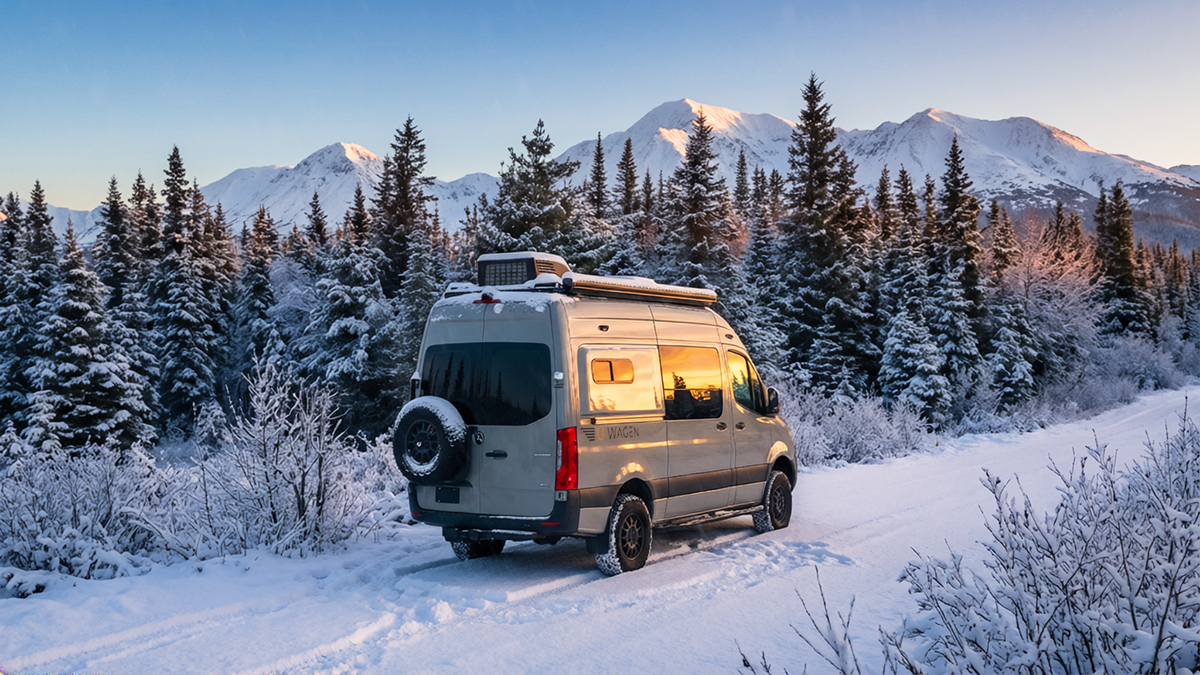
A well-designed 4-season camper van is not cold in winter — even in Quebec. Thanks to intelligent insulation, reliable heating, and rigorous energy management, U WAGEN camper vans allow you to travel comfortably in cold weather without compromising autonomy or durability.
At U WAGEN, every camper van is designed to face real winter conditions: cold temperatures, humidity, snow, and extended off-grid travel.
A true 4-season camper van always starts with serious, coherent insulation designed to manage both cold temperatures and condensation.
At U WAGEN, insulation is inspired by principles used in aeronautics, where lightness, breathability, and moisture management are essential. Unlike traditional approaches, the walls are not sealed with a vapor barrier.
Why? Because an airtight vapor barrier can trap condensation between the barrier and the vehicle’s metal body. Once trapped, this moisture becomes almost impossible to dry and can lead to:
U WAGEN camper van walls are designed to breathe, allowing any moisture that forms to dry naturally.
The result is a high-performance, durable, and stable thermal envelope — even in extreme cold.

A well-insulated camper van must be paired with a proven, reliable heating system.
U WAGEN camper vans are equipped with Webasto forced-air heaters, renowned for their reliability in harsh winter conditions. These are the same systems long used by heavy-duty truck drivers in their vehicles.
This system provides:
A critical point: a heater must operate at an appropriate output to remain clean and efficient. Webasto recommends not oversizing the heater, as an oversized system running constantly at low output can clog prematurely.
The heater installed in a U WAGEN camper van is therefore carefully sized to operate at optimal output when required.
Typical fuel consumption ranges from approximately 0.2 to 0.6 liters of diesel per hour, depending on usage and weather conditions.
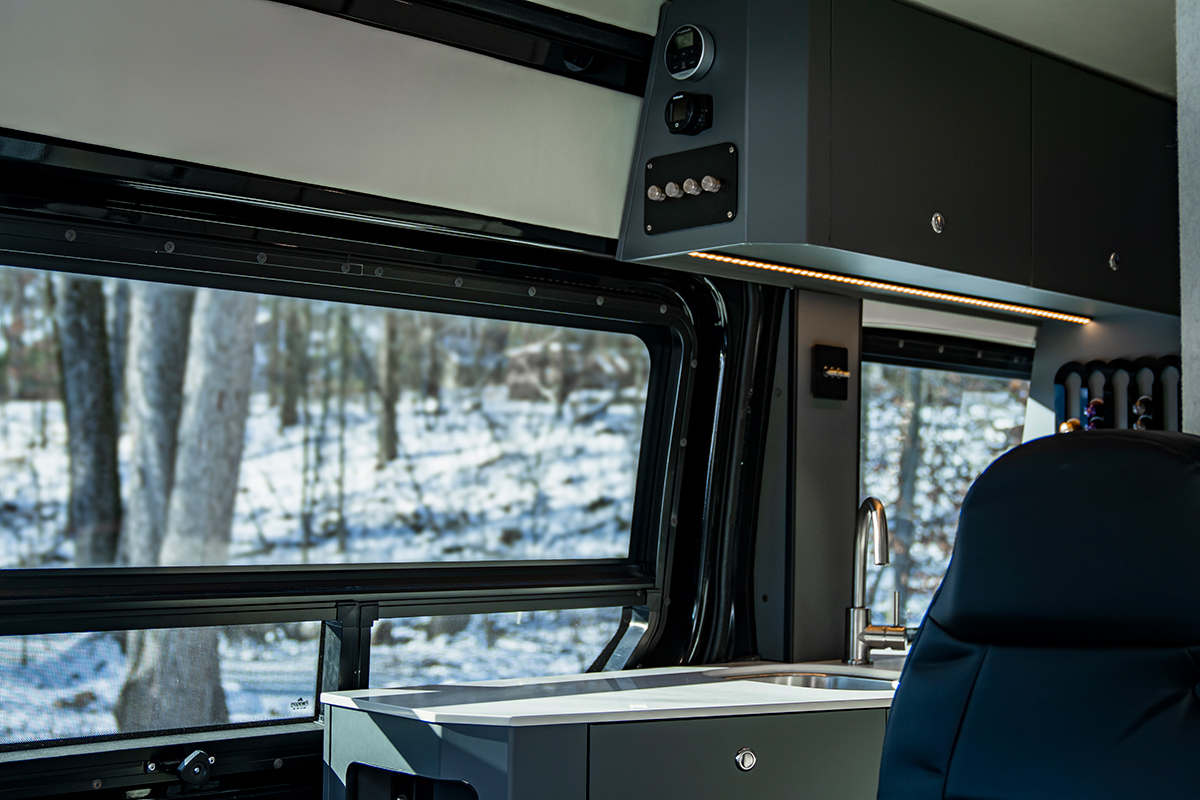
The heater runs on vehicle fuel. Electricity is used solely for ventilation and system control.
Thanks to U POWER solutions, U WAGEN camper vans feature:
You can heat your camper van in winter without compromising autonomy.
A 4-season camper van is not limited to interior comfort — safety starts at the ground.
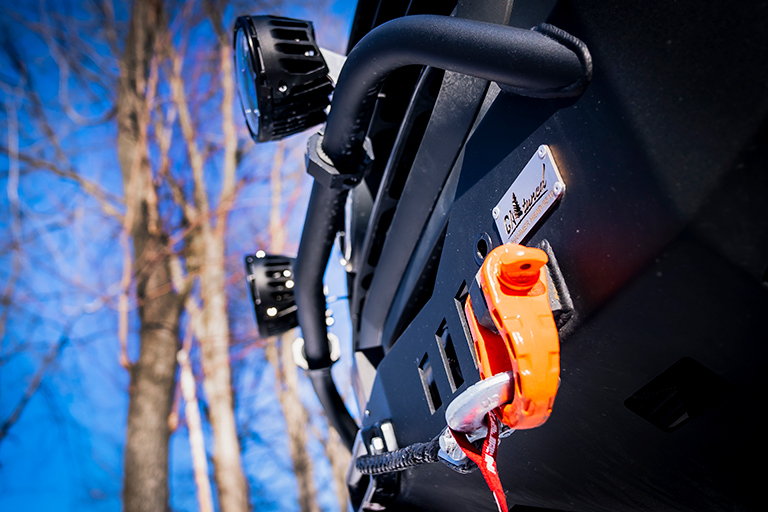
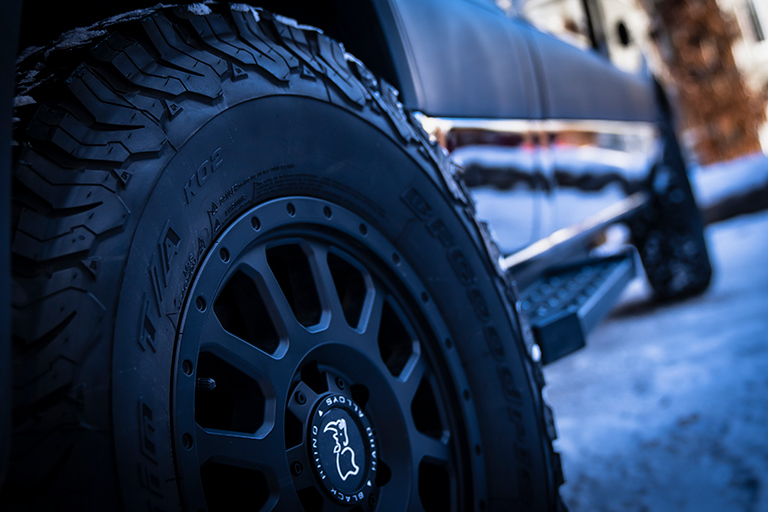
The OVERLAND and SUMMIT editions come standard with winter-rated all-terrain tires, offering:
For intensive winter use (icy roads, mountainous regions), dedicated winter tires may be considered. U WAGEN recommends installing them when temperatures consistently drop below 7°C (45°F).
Chains can be useful in extreme conditions, but the all-wheel drive (AWD) available on certain models, combined with proper tires, already covers the majority of real-world winter situations.
In winter, water management is critical. U WAGEN camper vans integrate a fresh water tank positioned inside the vehicle and water lines routed through heated zones.
Depending on usage, the following best practices are recommended:
Ventilating a camper van in winter may seem counterintuitive, but it is essential.
Controlled ventilation allows you to:
Ventilation systems in U WAGEN camper vans are designed to be efficient without unnecessarily cooling the living space.
For winter storage, U WAGEN recommends:
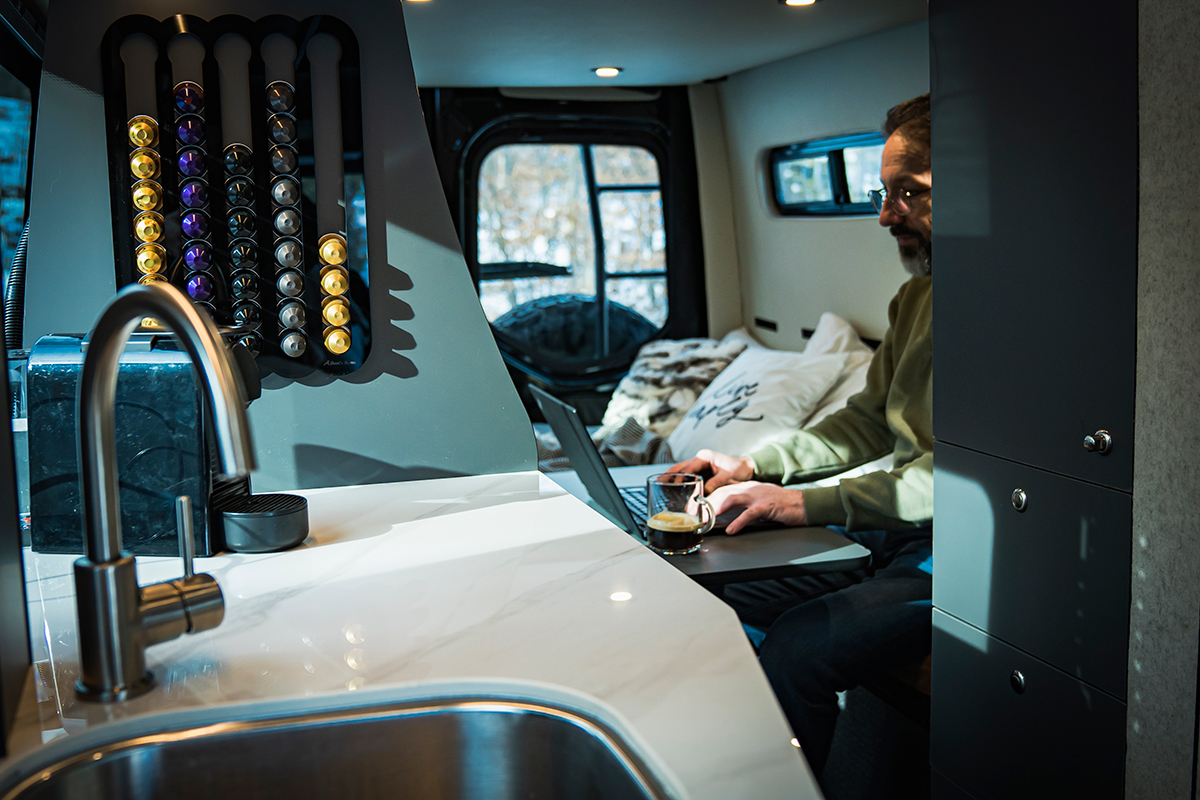
A 4-season camper van is not a slogan. It is the result of technical decisions, material choices, and a real understanding of winter conditions.
Aeronautics-inspired insulation, intelligent condensation management, reliable heating, controlled electrical autonomy, appropriate tires, protected water systems, and effective ventilation — every U WAGEN camper van is designed so winter becomes a playground, not an obstacle.
Winter travel is possible. Traveling in winter comfortably, reliably, and with confidence — that is exactly why U WAGEN exists.
What Makes a True U WAGEN 4-Season Camper Van
No. Thanks to complete insulation, condensation management, and Webasto heating, a U WAGEN camper van remains comfortable even in extreme cold.
Yes, under normal usage conditions fresh water can be used. Tanks and plumbing are protected, but certain practices must be adapted depending on temperature.
Not necessarily. The provided winter-rated tires already offer excellent traction. Dedicated winter tires may be preferable for intensive winter use.
No. Consumption ranges between 0.2 and 0.6 L/h of diesel, allowing excellent winter autonomy.
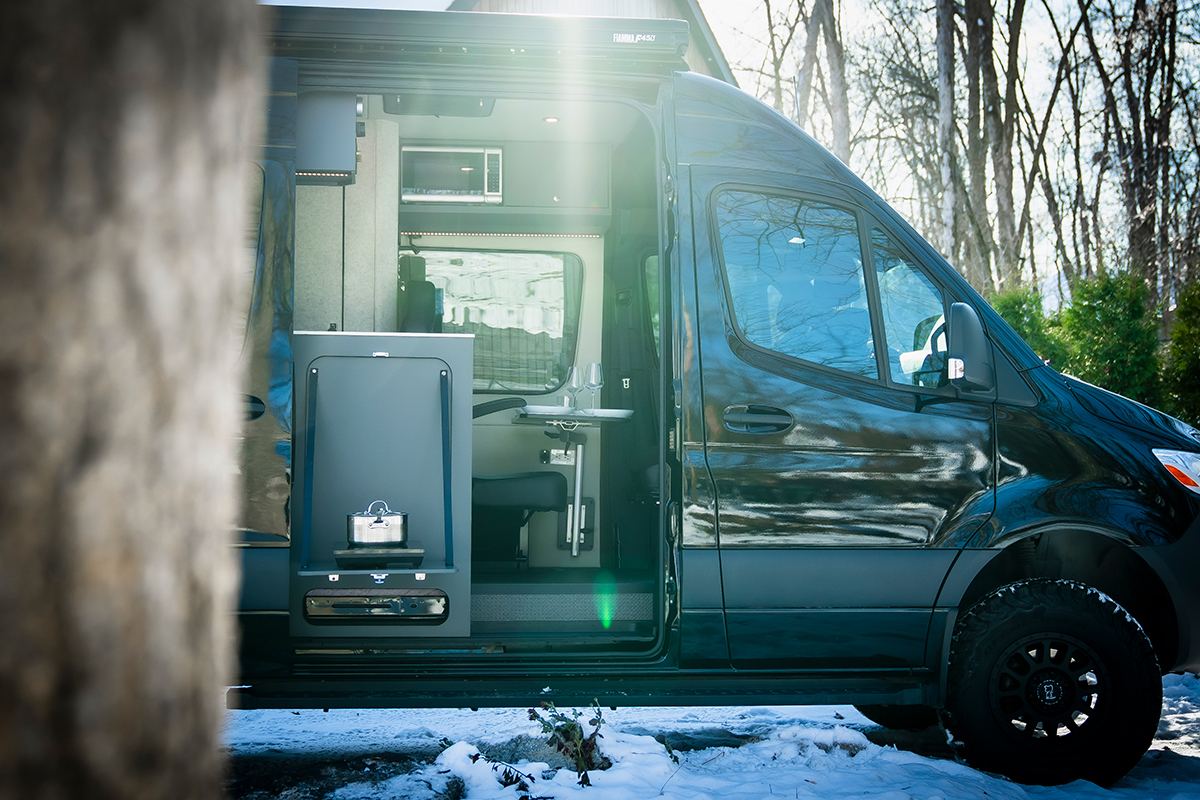
Discover our 4-season vans and plan your next winter adventure with U WAGEN.
This website uses cookies and similar technologies to operate properly and to help us understand how the site is used. In compliance with Quebec's Law 25 and Canada's Personal Information Protection and Electronic Documents Act (PIPEDA), you may accept or refuse the use of non-essential cookies. Essential cookies necessary for the functioning of the site cannot be disabled. You can change your preferences at any time. Learn more in our Privacy Policy